
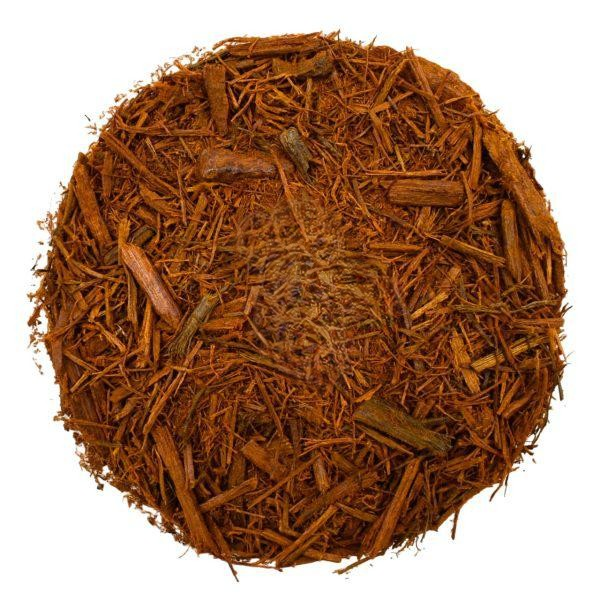
Latin Name: Haematoxylum Campechianum
Origin Country: Mexico
Haematoxylum campechianum (blackwood, bloodwood tree, campeche logwood, logwood or logwood tree) is a species of flowering tree in the legume family, Fabaceae, that is native to Central America, Southern Mexico. The tree’s scientific name means “bloodwood” (haima being Greek for blood and xylon for wood).
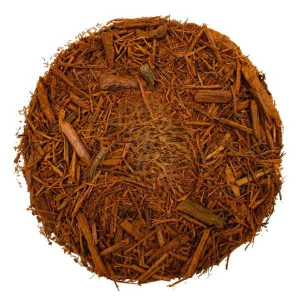
Traditionally used in strong warming herbal preparations. The heartwood of Haematoxylum campechianum has historically been value a natural source of dye wood and a traditional remedy, particularly for producing a deep blue color. It has an agreeable odor resembling violets.
Benefits
- Logwood has been employed to treat various conditions such as diarrhea or dysentery.
- Logwood contains tannins, which are compounds that can be used in tanning processes and also tan animal hides.
- Haematoxylum campechianum has demonstrated anti-inflammatory effects, making it a potential remedy for conditions involving inflammation, particularly in the muscles.
How it is used
Herbal Decoctions
- Preparing hot water
- Simmer 1 tablespoon for 12–15 min
- It has a warm, rich, slightly tannic woody aroma
Dyeing Fabric
- Boil the bark in water for 30-60 minutes to release the color.
- The longer it boils, the deeper the color.
- Strain the liquid to remove any solid bark pieces.
- Before dyeing, treat your fabric with a mordant like alum (to help the dye adhere better).
- Soak your fabric in the dye solution for several hours
- To achieve the desired color, stirring occasionally.
- The color will be darker once dried.
Side effects
- Inhaling logwood dust may irritate the respiratory system, especially for individuals with asthma or other respiratory conditions.
- While logwood powder is not typically consumed, accidental ingestion could potentially cause gastrointestinal upset..
- Pregnant or breastfeeding individuals should consult with a healthcare professional before using logwood.
- Direct contact with logwood powder may cause skin irritation in some individuals.
- Contact with logwood can irritate the eyes, causing redness, watering, or discomfort.
Disclaimer: This information is for educational purposes only and it is not intended to diagnose, cure or prevent any disease.

Reviews
There are no reviews yet.