
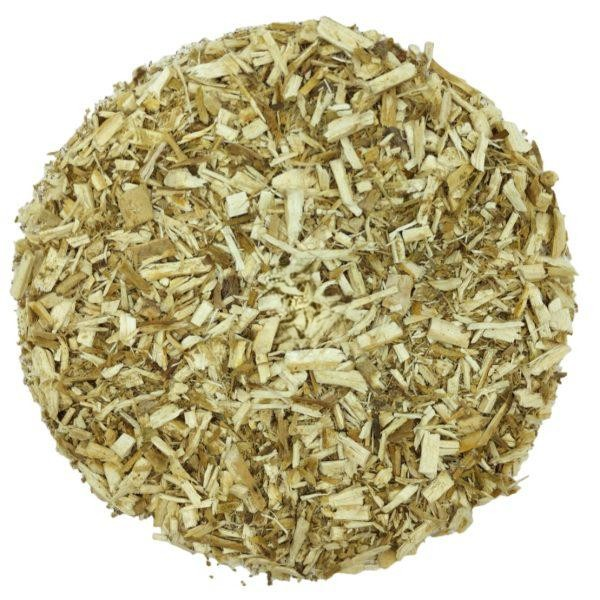
Latin Name: Salix Alba L.
Origin Country: Serbia
Salix alba, commonly known as white willow, is a species of willow tree native to Europe and western and central Asia. Salix alba belongs to the Salicaceae family. It is known for its long, slender leaves with a silvery-white underside. The name derives from the white tone to the undersides of the leaves.
Like all willows, Salix alba is usually to be found in wet or poorly-drained soil at the edge of pools, lakes or rivers. Its wide-spreading roots take up moisture from a large surrounding area. It has been used for centuries as a herbal tea and the flavor is bitter and somewhat astringent. Historically used as a natural pain reliever and for its anti-inflammatory effects.
Benefits
- It can be used to treat headaches, joint pain, and colds.
- White willow contains antioxidants, which may protect from oxidative stress and free radicals.
- It is considered that it helps to reduce menstrual cramps due to its muscle relaxant effects.
- White willow can support digestive health by soothing the stomach and relieving symptoms such as bloating.
How it is used
White Willow Tea
- Boil 1 cup of water
- Pour it over 1-2 teaspoons of white willow bark.
- Let it steep for about 10–15 minutes.
- Strain the tea and drink.
- Add honey or lemon to improve the flavor, as it can be bitter.
Side effects
- White Willow is generally considered safe for consumption when used appropriately.
- Salix alba can cause stomach irritation, nausea, especially if consumed in large amounts.
- Some individuals may experience allergic reactions to white willow, such as rash, itching, or swelling.
- The use of white willow bark during pregnancy or breastfeeding is NOT recommended without consulting a healthcare provider.
Disclaimer: This information is for educational purposes only and it is not intended to diagnose, cure or prevent any disease.


Reviews
There are no reviews yet.