
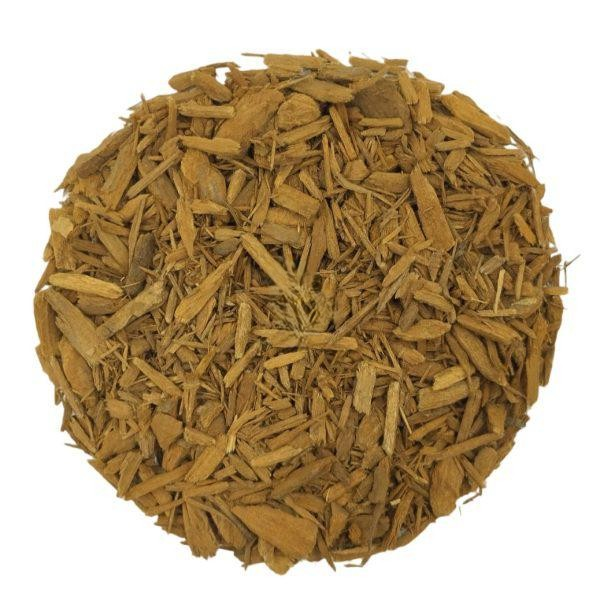
Latin Name: Pausinystalia Yohimbe
Origin Country: Cameroon
Pausinystalia yohimbe, commonly known as yohimbe, is a species of tree native to Central and Western Africa, particularly found in countries such as Cameroon, Gabon, Nigeria, and the Congo and it belongs to the family Rubiaceae, the same family as coffee.
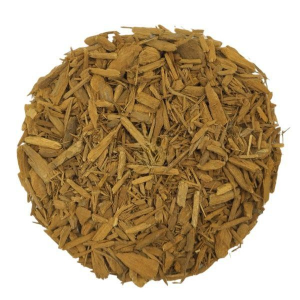
The bark of Pausinystalia yohimbe has a distinctive and strong odor. It is often described as having a somewhat earthy or woody-spicy aroma scent with hints of bitterness. West African tree historically used as an aphrodisiac and vitality tonic. Tonics for male vitality, ceremonial use, and traditional energy formulas. Standardized extracts, energy supplements, wellness blends.
Benefits
- Yohimbe bark is believed to enhance arousal and desire in both men and women.
- It has been investigated for its potential role in promoting weight loss and fat loss.
- Yohimbe is believed to increase adrenaline levels, thereby improving endurance and exercise performance.
How it is used
Yohimbe bark tea infiuson
- One teaspoon of yohimbe bark per 250 ml.
- Simmer 10–12 min in boiled water
- Strain the mixture and allow it to cool before consuming.
Topic Use
- Yohimbe bark cream/gel can be applied topically to the skin.
Side effects
- Yohimbe can affect sleep patterns, leading to difficulty falling asleep (insomnia).
- Pregnant women are not advised to consume yohimbe or products containing yohimbine.
- Yohimbine can have stimulating effects on the central nervous system, leading to feelings of restlessness, anxiety and nervousness.
- There are signs of toxicity. Use only under expert guidance. It can also cause allergic reactions such as skin rashes, itching, swelling or difficulty breathing.
Disclaimer: This informaion is for educational purposes only and it is not intended to diagnose, cure or prevent any disease.

Reviews
There are no reviews yet.