
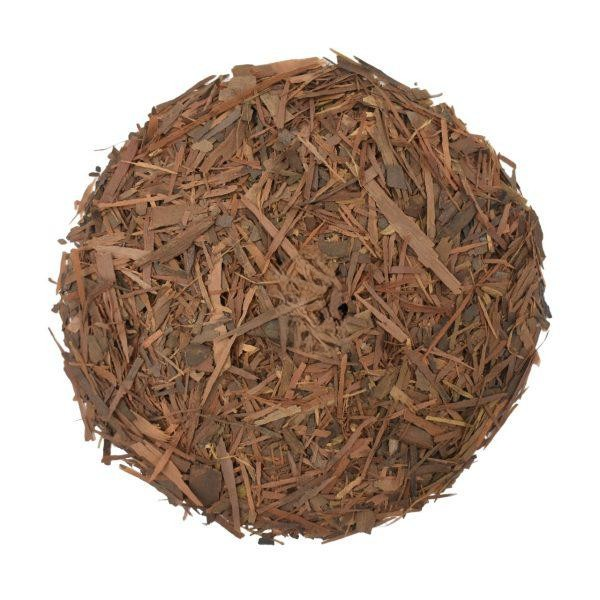
Latin Name: Tabebuia Impetiginosa
Origin Country: Brazil
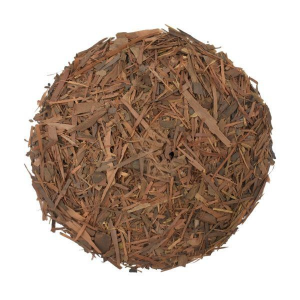
Tabebuia Impetiginosa also known as Lapacho, Taheebo or “Pau D’Arco” is the name given to the bark of the Tabebuia tree species, which are native to the tropical regions of South America, including Brazil, Argentina, and Peru.
The bark of the tree has been used in traditional South American medicine for centuries. The bark is typically harvested, dried, and used in various forms, such as in teas and powders. Lapacho bark is recognized for its distinctive, slightly bitter taste when used in teas.
Benefits
- Due to its anti-inflammatory and analgesic properties, Lapacho may help in alleviating the pain.
- Pau D’Arco is rich in antioxidants, which help to neutralize free radicals in the body.
- Tabebuia Impetiginosa may help to eliminate harmful substances from the body and improve overall health.
- Lapacho is traditionally used to strengthen the immune system as it is thought to stimulate the body’s natural defenses.
- Some people use Lapacho to promote and alleviate digestive issues, such as bloating, constipation, or stomach discomfort.
How it is used
Lapacho Tea
- Add 1-2 teaspoons of dried lapacho bark
- 1 cup of water to a kettle.
- Reduce heat and simmer for 10-15 minutes.
- You can simmer longer for a stronger flavor.
- Strain the bark from the tea, pour into a cup, and it’s ready to enjoy.
Side effects
- Pau d’Arco is generally considered safe for most people when used appropriately.
- Pregnant or breastfeeding women should avoid using lapacho without consulting a health provider.
- Some individuals may experience allergic reactions to lapacho, such as skin irritation, rash, itching, or swelling.
- Excessive use of lapacho may cause gastrointestinal discomfort, such as nausea, vomiting, diarrhea, or stomach cramps.
Disclaimer: This information is for educational purposes only and it is not intended to diagnose, cure or prevent any disease.

Reviews
There are no reviews yet.