
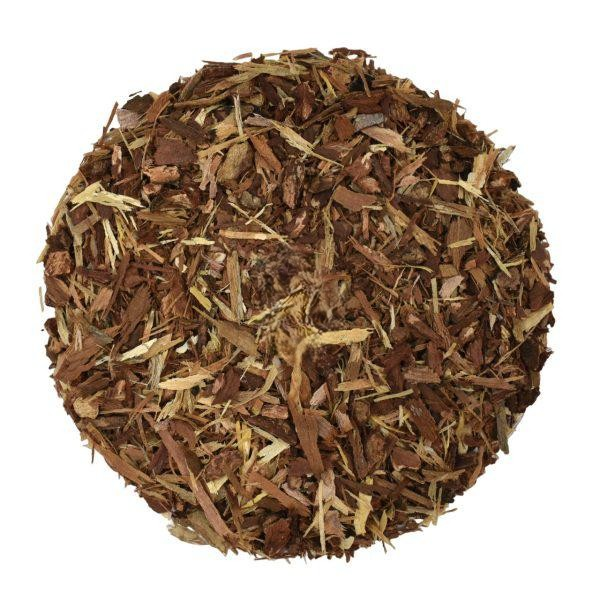
Latin Name: Azadirachta Indica
Origin Country: India
Azadirachta indica, commonly known as Neem, is a fast-growing, evergreen tree native to India, Pakistan, Bangladesh, and other parts of Southeast Asia. It belongs to the Meliaceae (mahogany) family and is highly valued for its medicinal, agricultural, and cosmetic properties.
A sacred tree in Ayurvedic medicine, used for millennia for purification and skin wellness. Used in decoctions and cleanses for immune, digestive, and skin support.
Neem can be used in culinary applications, particularly in traditional cuisines of the Indian subcontinent. While its taste is bitter, various parts of the neem tree, such as the leaves, flowers, and seeds, are used in cooking for their health benefits.
Benefits
- Azadirachta indica has strong antibacterial and antifungal effects, making it useful in treating skin diseases.
- Neem helps strengthen the immune system, by reducing inflammation.
- Neem’s antimicrobial properties make it effective for promoting good oral hygiene.
- It may support digestive health, helping with issues like bloating, and indigestion.
How it is used
Neem Tea
- Boil about 1–2 cups of water.
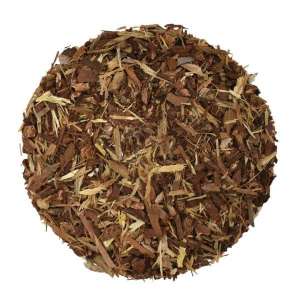
- Add about 1–2 teaspoons of neem bark to the boiling water.
- Let it simmer for 10–15 minutes.
- Strain the bark from the liquid.
- Drink the tea once it cools down.
- Add honey or lemon to improve the taste, as neem has a naturally bitter flavor.
Mouth Rinse
Boil the bark in water for 10-15 minutes, strain the solution, and use it as a mouth rinse.
Side effects
- Excessive consumption of neem, especially in high doses, can lead to nausea, vomiting, diarrhea, and stomach discomfort.
- Some individuals may be allergic to neem, leading to skin rashes, itching, or respiratory problems.
- Neem is NOT recommended during pregnancy or breastfeeding.
Disclaimer: This information is for educational purposes only and it is not intended to diagnose, cure or prevent any disease.

Reviews
There are no reviews yet.