
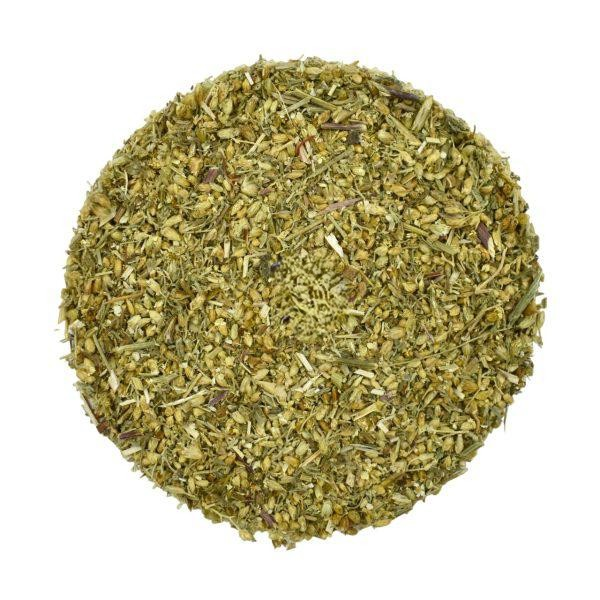
Latin Name : Achillea Millefolium
Origin Country: Poland
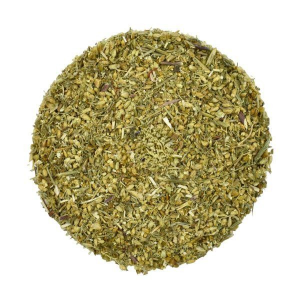
Yarrow (Achillea Millefolium) has been used for thousands of years for its potential health benefits. Native to Europe and Asia; historically used in wound care and rituals. In fact, its genus name, Achillea, refers to the warrior Achilles in Greek mythology, as he used yarrow to treat his soldiers’ wounds.
Yarrow gives a floral-bitter herbal scent and creates a clarifying, aromatic tea. Poultices, teas, and protective ceremonial uses. Herbal teas, salves, wound-care formulations, wellness blends.
Yarrow has been used for centuries as a herbal remedy for:
- Digestive issues
- Wounds, bites, and nosebleeds
- Inflammation
- Infectious diseases
- Menstrual problems
- Hemorrhoids
- Water retention and high blood pressure
- Diabetes
- Liver diseases
Hot Brewing Infused Herbal Tea
- Place 1-2 teaspoons of dried herb in a tea infuser for each cup of tea
- Cover with boiling water. Place on the lid (or cover your cup with a saucer).
- Allow the mixture to steep for 10 to 15 minutes or overnight.
- Then strain the tea and serve.
- Drink 1-3 cups of tea a day
- Add if you want honey, milk or lemon wedge for flavor.
Side effects
- When it comes in contact with the skin, yarrow might cause skin irritation.
- Yarrow is possibly safe when taken by mouth in medicinal amounts. In some people, yarrow might cause drowsiness and increase urination when taken by mouth.
- Because yarrow has the same allergy-causing components as other Asteraceae herbs, people allergic to plants of the daisy family should avoid using it.
-
In any case you should consult with your healthcare doctor before using any herb especially if you have health problems.
Disclaimer: This information is for educational purposes only and it is not intended to diagnose, cure or prevent any disease.
Reviews
There are no reviews yet.