
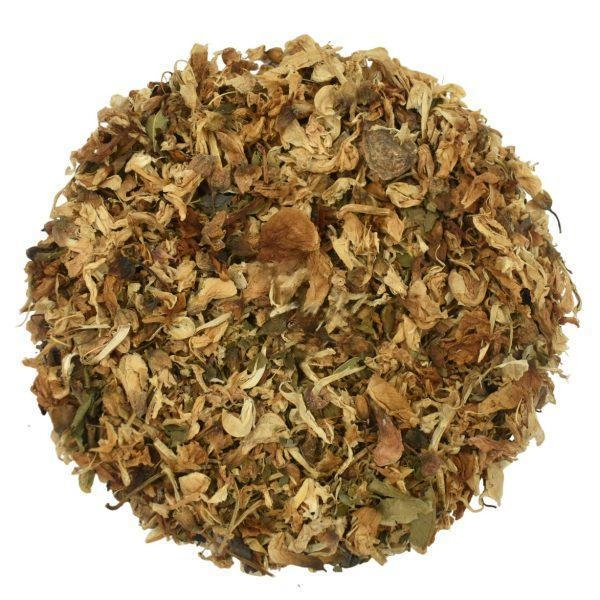
Latin Name: Robinia Pseudoacacia
Origin Country: Albania
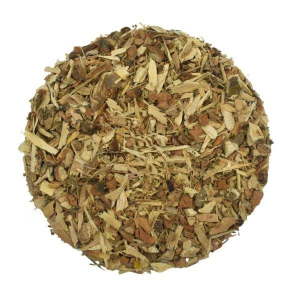
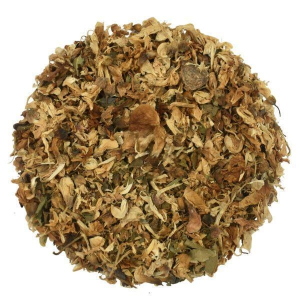
Robinia Pseudoacacia, commonly known in its native territory as black locust, is a medium-sized hardwood deciduous tree, belonging to the tribe Robinieae of the legume family Fabaceae.
It is native to a few small areas of the United States. Another common name is false acacia. Generally, acacia flowers have a subtle, slightly sweet flavor with hints of grassiness or nuttiness.
Used in folk remedies for soothing and aromatic preparations. Floral teas, natural perfumery, culinary decorations.
Benefits
-
Flowers of Robinia Pseudoacacia (False Acacia) act as antispasmodic and have laxative properties.
-
They aid digestion and relieve constipation.
-
Black locust blossoms possess diuretic, emollient, and anti-spasmodic properties.
-
Cooked flowers are consumed to relieve eye problems.
-
Crushed flowers aid in skin healing after burns.
How it is used
-
Dried flowers can be used to infuse syrups, jams, jellies, or honey, imparting a fragrant aroma and subtle taste.
-
False acacia flowers can be battered and fried to make fritters or tempura.
-
Dried flowers can be brewed into teas, either on their own or mixed with other herbs for added flavor and health benefits.
-
Dried flowers can be used in potpourri or floral arrangements to add a natural fragrance and aesthetic appeal to indoor spaces.
Brewing Infusion Tea
Ideal for gentle herbal teas that soothe and uplift.
- Brewing: Use 1–2 grams per cup, 250 ml
- Infuse 5–7 minutes at 95°C.
- Enjoy warm for mild sweetness and relaxation.
Side effects
-
While false acacia flowers are generally considered safe when consumed in small quantities, excessive intake may lead to toxicity symptoms such as nausea, vomiting, or abdominal pain.
-
However, some people may be allergic to the pollen, leading to allergic symptoms such as sneezing, itching, or skin rashes.
-
In some cases, consuming false acacia flowers may cause digestive discomfort such as bloating, gas, or diarrhea, particularly if taken in large amounts.
-
The safety of consuming false acacia flowers during pregnancy is not well-documented, and it’s important for pregnant women to consult with a healthcare professional before consumption.
Disclaimer: This information is for educational purposes only and it is not intended to diagnose, cure or prevent any disease.
Reviews
There are no reviews yet.