

Latin name: Centaurea Cyanus
Origin Country: Albania
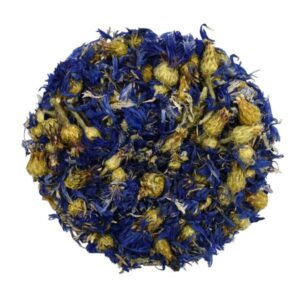
Centaurea cyanus, commonly known as cornflower, is a species of flowering plant native to Europe and parts of Asia. It is an annual plant that produces blue, pink, or white flowers with a distinctive yellow center. Cornflower is often cultivated as an ornamental plant due to its attractive blooms.
In some cultures, cornflower is also used as a natural dye for textiles. Blue cornflowers have a subtle, slightly sweet flavor with hints of herbal and floral notes. Used in soothing eye washes and herbal infusions. Teas, skincare, potpourri, natural coloring.
Benefits
- Used in soothing eye washes and herbal infusions
- Utilized as a natural dye and in herbal teas for calming and relaxing effects on body and mind.
- Traditionally used to alleviate fever, headaches, and stomach issues due to anti-spasmodic and diuretic properties.
- Centaurea cyanus contains antioxidants and anti-inflammatory compounds, aiding in reducing inflammation and preventing oxidative stress.
How it is used
- Blue cornflowers are commonly used in culinary applications as a decorative element in salads, desserts, and beverages.
- Also you can blend blue cornflowers into smoothies for a refreshing and healthy drink.
- Additionally, they are used in natural dyeing processes to achieve shades of blue in textiles and crafts.
Brewing Infused Tea
- To make an infusion, steep blue cornflowers in hot water.
- Brewing 1–2 grams per cup 250 ml
- Infuse 8–10 minutes at 90–95°C.
- Soft, calming, and naturally vibrant.
- Bring a gentle floral aroma and deep purple hue to smooth, soothing brews.
Side effects
- Centaurea cyanus, or cornflower, is generally safe for consumption as food or as a traditional herbal remedy.
- Some individuals may experience allergic reactions like skin rashes or hives from contact or excessive consumption.
- Pregnant or breastfeeding women should consult healthcare providers before using cornflower due to limited safety information.
Disclaimer: This information is for educational purposes only and it is not intended to diagnose, cure or prevent any disease.
Reviews
There are no reviews yet.