
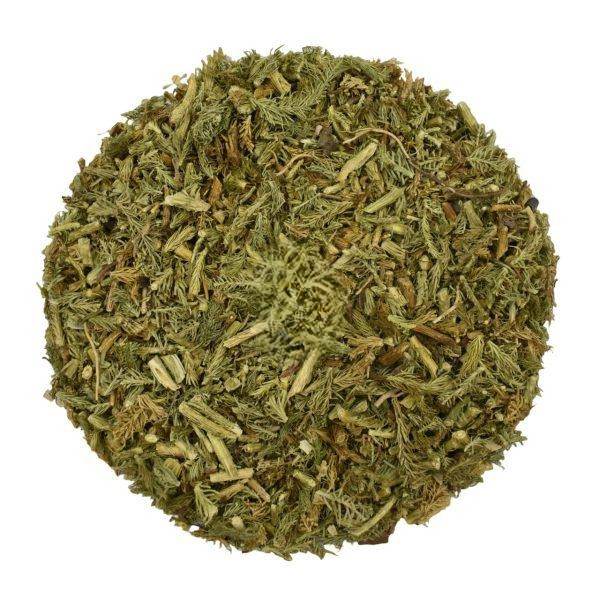
Latin Name: Lycopodium Clavatum
Origin Country: Europe
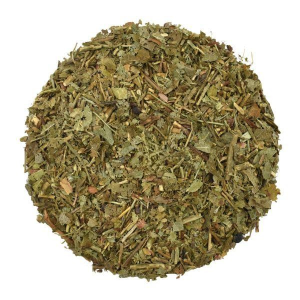
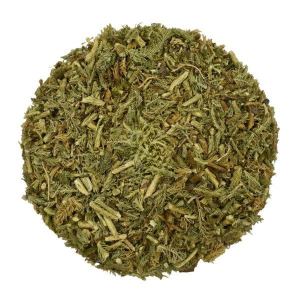
(Lycopodium Clavatum, also known as club moss, running pine or stag’s horn moss, has creeping stems up to 3 meters. The genus name Lycopodium comes from the Greek words lycos (wolf) and podion (little foot), referencing its resemblance to a wolf’s paw, while clavatum is Latin for “club-shaped,” referring to the plant’s spore-bearing cones. The common name “Stag’s-horn” refers to the plant’s upright, branched, antler-like spore cones.
Clubmosses are among the oldest surviving vascular plants on Earth. Their ancestors dominated the planet’s flora roughly 300 million years ago during the Carboniferous period, growing as tall as trees.
It grows in bogs and other wetland habitats nearly worldwide, and many species are native to tropical areas of the Americas. The spores of this moss, “lycopodium powder”, are explosive if present in the air in high enough densities.
Since moss holds water, you can put a layer of moss on your shelter and it will absorb the water and keep you dry. It can also act as an insulator of both heat and cold, to be used in a variety of ways.
Club moss spores and teas from plant leaves have been used since ancient times in both American Indian and European cultures.
Benefits
- The Chinese use a combination of lycopodium and chamomile for relief of muscle contractions.
- The herb contains alkaloids, flavonoids, polyphenols, triterpenes and the radioactive element radium which has anti cancer properties.
- Medicinal uses included treating urinary tract problems, diarrhea and other digestive tract problems, relieving headaches and skin ailments, and inducing labor in pregnancy.
Hot Brewing Infused Club Moss Tea
- Club Moss tea is prepared from one teaspoon of small cut pieces
- Added to half a liter of boiled water.
- It is left like that for about 5 minutes.
- Never boil the plant, just pour the water over it.
- It is recommended to consume a cup per day, slowly, in the morning.
- On an empty stomach, half an hour before breakfast.
Side effects
- When taken by mouth: Clubmoss is POSSIBLY UNSAFE because it contains several poisonous chemicals.
- However, so far, no poisonings have been reported.
Disclaimer: This information is for educational purposes only and it is not intended to diagnose, cure or prevent any disease.
Reviews
There are no reviews yet.