
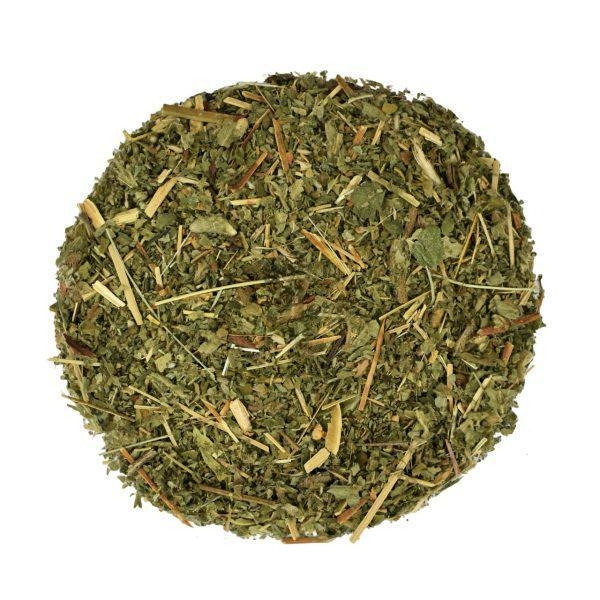
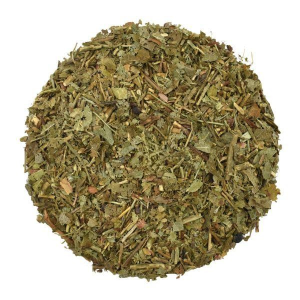
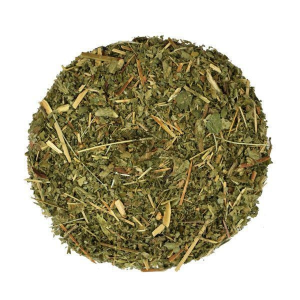
Agrimonia Eupatoria L., commonly known as agrimony, is a perennial herb native to Europe, Western Asia, and North Africa, and it belongs to the Rosaceae family. The plant is easily recognized by its tall, slender spikes of small, yellow, star-shaped flowers and its deeply lobed, dark green leaves.
It typically grows in meadows, roadsides, and woodland edges. Agrimony has a subtle, earthy aroma and a mildly bitter, slightly astringent flavor. Traditionally, its aerial parts especially the flowering tops—are harvested and used for herbal infusions, teas, or external preparations. It has been valued historically in folk practices and is still used today in herbal teas and topical products.
Benefits
- Agrimonia Eupatoria promotes wound healing and alleviate skin irritations.
- Agrimony helps alleviate symptoms of diarrhea, indigestion, and other gastrointestinal issues.
- Agrimony contains compounds with anti-inflammatory properties, which helps reduce inflammation in the body.
- It contains flavonoids and tannins that provide antioxidant effects, protecting cells from oxidative stress and contributing to overall wellness.
Hot Brewing Infused Herbal Tea
- Use 1 to 2 teaspoons of dried agrimony leaf per cup of water and place in a teapot.
- Let it boil for 5 to 10 minutes.
- Strain and drink.
- You can add honey or lemon to taste.
- It can be enjoyed 1–3 times daily, depending on your needs and tolerance.
Side effects
- Agrimonia Eupatoria L. is generally safe when consumed in moderate amounts
- Rarely, it may cause allergic reactions such as skin irritation or rash, in some individuals.
- High consumption and long term use cause side effects such as stomach irritation, diarrhea, nausea and vomiting.
- Pregnant or breastfeeding women should consult a health provider before using agrimony.
Disclaimer: This information is for educational purposes only and it is not intended to diagnose, cure or prevent any disease.
Reviews
There are no reviews yet.