
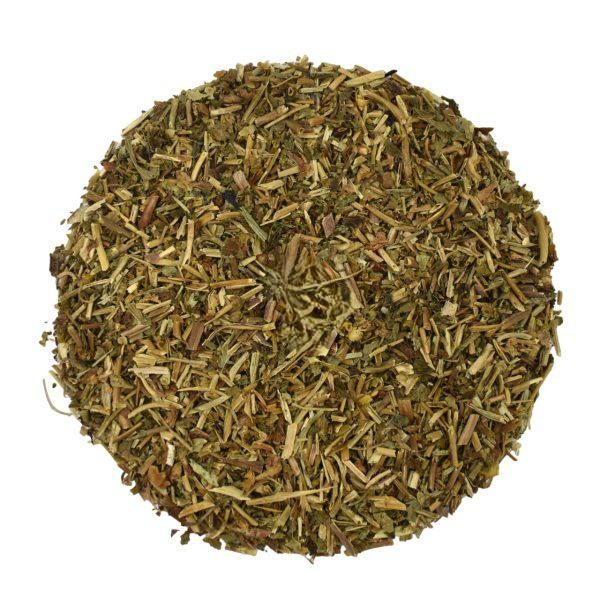
Latin Name : Convolvulus Arvensis
Origin Country: Romania
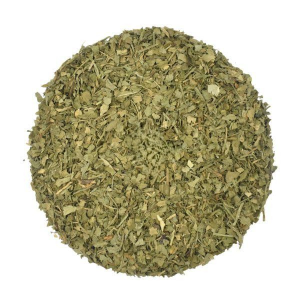
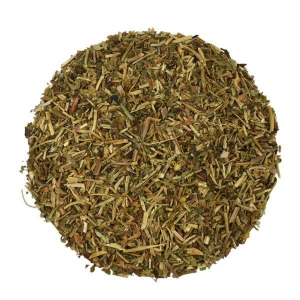
Widespread across Europe and Asia; known in folk remedies. This herb is highly nutritious offers a soft, mild herbal aroma used in traditional herbal preparations and it has rich contents of starch and sugars.
Applied as a cleansing and soothing herbal tea. Detox blends, poultices, botanical preparations.
Benefits
-
Bindweed, especially its leaves are made into a tisane which is used internally as a laxative and for fevers, to promote sweating and so reduce the temperature, and externally to put on wounds.
-
A cold infusion from the leaves of this plant is laxative, can slow profuse bleeding during menses, and can be applied as a wash for spider bites.
-
A tea made from the flowers is believed to exhibit antibacterial & antifungal properties against a broad spectrum of microbes, including E. coli, salmonella, species & candida albicans.
-
Bindweed also finds its therapeutic use for treating the effects of stress.
-
Bindweed also exhibits actions similar to that of anti-diabetic medications as it is considered to inhibit the action of Beta-glucosidase; Alpha-galactosidase. This, aids in lesser absorption of carbohydrates into the intestine, thus checking the blood sugar levels.
Hot Brewing Infused Bilberry Tea
- Preparing for an infusion, steep 1-2 teaspoons of dried leaves and steams in hot water.
- Infuse for about 5-10 minutes.
- Strain the leaves and enjoy the tea plain or with honey for sweetness.
- You can drink bilberry tea up to three times a day.
Bindweed Decoction
Medicinally, bindweed is taken in three different forms – decoction, powdered rootstock and juice. For the decoction add 1 teaspoon of the dried flowering, leaves and steams bindweed plant in 250 ml water; bring it to boil. The normal dosage of this decoction is 1 tablespoon taken once when required.
Side effects
-
Excessive dosage may result in constipation & other ailments.
-
In addition, this herbal medicine should never be given to women during pregnancy or breast-feeding mothers.
-
People who are enduring stomach ache, problems related to the intestine, for instance, appendicitis, obstruction, Crohn’s disease, colitis or irritable bowel syndrome (IBS) should avoid using this herb.
-
In any case you should consult with your healthcare doctor before using any herb especially if you’re taking other medications or having health problems.
Disclaimer: This information is for educational purposes only and it is not intended to diagnose, cure or prevent any disease.
Reviews
There are no reviews yet.