
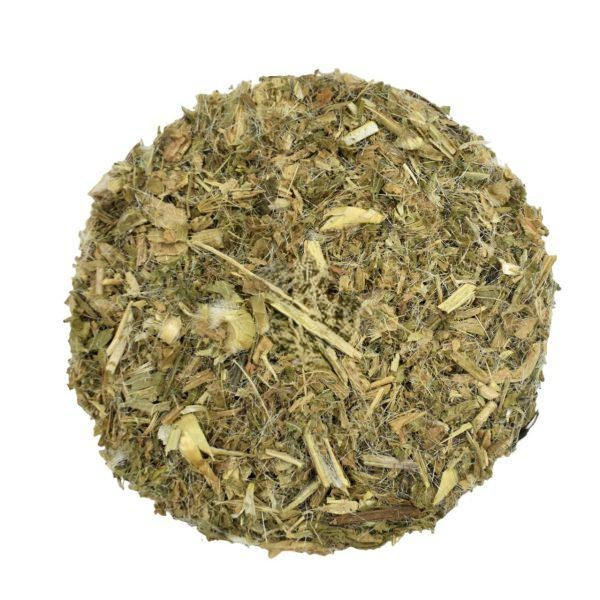
Latin Name: Cnicus Benedictus L. – Centaurea Benedicta
Origin Country: Hungary
“Cnicus Benedictus” or “Centaurea Benedicta” commonly known as Blessed Thistle, is a spiny annual herb native to the Mediterranean region and parts of Western Asia. It belongs to the Asteraceae daisy family.
The plant typically grows up to 60 cm tall and has hairy, branching stems with yellow, thistle-like flowers surrounded by spiny bracts. The leaves are deeply lobed and prickly, giving it a rugged appearance.
Blessed thistle has a very bitter flavor and was historically used in European monasteries. It thrives in sunny environments and is often found in dry fields or disturbed soils.
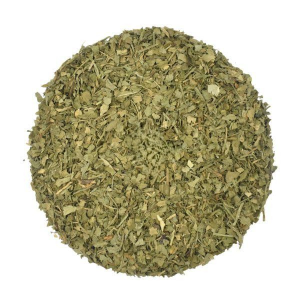
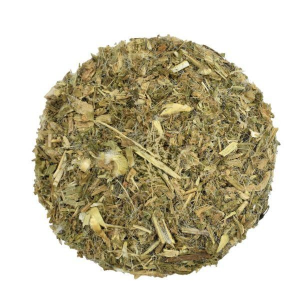
Its aerial parts, especially the flowering tops, are commonly harvested and dried for various traditional preparations, including teas and infusions.
Benefits
-
Blessed thistle is rich in flavonoids and sesquiterpene lactones, which may help neutralize free radicals and support cellular health.
-
Its bitter compounds are thought to reduce symptoms like bloating, flatulence, and mild stomach discomfort.
-
Some herbal traditions use blessed thistle for its mildly stimulating effects, believed to improve alertness and combat mental fatigue when consumed as a tea.
-
Blessed thistle was used to support the body’s natural immune system during times of illness.
Hot Brewing Infused Blessed Thistle Tea
- Place 1 teaspoon of dried blessed thistle leaves and stems for each 200-250 ml
- Bring the water to a boil.
- Allow the tea to steep for about 10-15 minutes.
- The longer it steeps, the stronger the tea will be.
- You can add honey or lemon to enhance the flavor if desired.
- You can use 4-6 grams/day orally, divided three times daily.
Culinary Uses
-
Blessed thistle dried leaves can be added to soups, stews, salads, and other dishes to impart a distinct, slightly bitter flavor.
Side effects
-
Blessed thistle is generally considered safe when consumed in moderate amounts.
-
Some individuals experience allergic symptoms such as rash, itching, or swelling.
-
Excessive intake may cause loose stools or diarrhea due to increased bile flow and digestive activity.
-
Pregnant or breastfeeding women should consult a health provider before using blessed thistle.
Disclaimer: This information is for educational purposes only and it is not intended to diagnose, cure or prevent any disease.
Reviews
There are no reviews yet.