


Latin Name: Rosa Canina L.
Origin Country: Bulgaria
Rosa Canina L., commonly known as rosehip, dog rose, wild rose, or briar rose, is a wild species of rose belonging to the Rosaceae family. Native to Europe, northwest Africa, and western Asia, this deciduous shrub is recognized for its arching thorny stems, delicate pale pink to white flowers, and bright red-orange fruits known as rosehips, which develop during autumn.
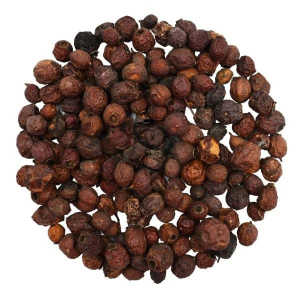
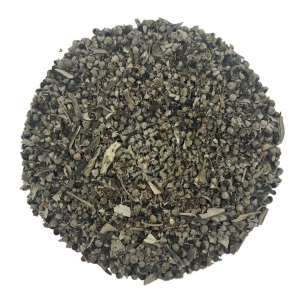
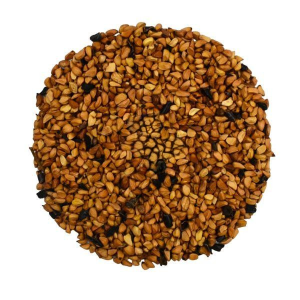
Rosehip seeds are traditionally valued for their botanical properties and are commonly used in herbal preparations. Unlike whole rosehip shells, the seeds require a longer preparation time to release their natural compounds. Their flavour is mild, slightly nutty, and earthy, while the fruit portion provides the characteristic tangy, slightly sweet, cranberry-like taste associated with rosehips.
Ingredients: 100% Dried Rosehip Seeds (Rosa canina L.)
Benefits
- Rosehip seeds contain naturally occurring plant compounds, including polyphenols, carotenoids, and flavonoids, which contribute to antioxidant protection and help defend cells against oxidative stress.
- Rosa Canina is one of the richest natural botanical sources of vitamin C, traditionally appreciated for supporting normal immune system function and overall wellbeing.
- Rosehip seeds contain naturally occurring fiber and botanical compounds that may contribute to digestive wellness and regular bowel function.
- The nutritional profile of rosehips makes them a popular ingredient in traditional herbal teas and botanical blends.
- Rosehip seed preparations are valued for their natural properties and are widely used in traditional wellness practices.
How it is used
Rosehip Seed Herbal Tea / Decoction
- Bring one cup of water to a boil, then reduce to a gentle simmer.
- Add 1 tablespoon of dried rosehip seeds.
- Simmer gently for 20–30 minutes to help extract the natural compounds from the seeds.
- Strain carefully using a fine mesh strainer or cheesecloth to remove seed fragments and fine hairs.
- Enjoy warm and optionally sweeten with honey.
- Rosehip seeds can be blended with hibiscus, mint, or lemon balm for additional flavour and botanical complexity.
Culinary Use
- Rosehip seeds can be incorporated into traditional herbal preparations and blended with other botanical ingredients.
- Combine with fruit-based herbal teas to add depth and a naturally earthy character.
Side effects
- Rosa canina is generally considered safe when consumed in moderate amounts.
- Some individuals may experience allergic reactions to rosehip products, including skin irritation, itching, or respiratory discomfort.
- Excessive consumption may cause digestive discomfort such as stomach cramps, nausea, bloating, heartburn, or diarrhea.
- Individuals sensitive to plants belonging to the Rosaceae family should use caution when consuming rosehip preparations.
- Pregnant and breastfeeding women should consult a healthcare provider before using concentrated rosehip preparations.
Disclaimer: This information is for educational purposes only and it is not intended to diagnose, treat, cure, or prevent any disease.
Reviews
There are no reviews yet.