
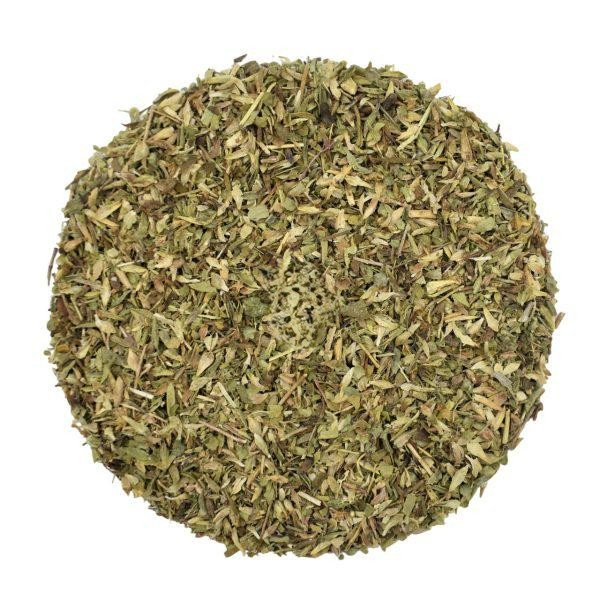
Latin Name: Satureja Hortensis
Origin Country: Albania
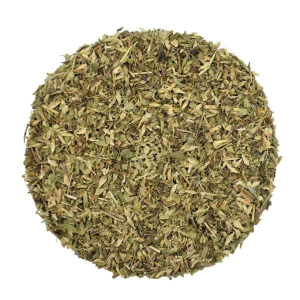
Satureja hortensis, commonly known as summer savory, is an aromatic annual herb belonging to the Lamiaceae family. Native to the Mediterranean region and widely cultivated throughout Europe, summer savory is closely related to thyme, lavender, and sage. The plant is recognized for its narrow green leaves, delicate flowers, and distinctive warm, peppery aroma with a slightly spicy and bitter flavour.
Summer savory has been traditionally valued both as a culinary herb and as part of herbal practices. It contains naturally occurring compounds, including essential oils such as thymol and carvacrol, as well as minerals and antioxidants. Its leaves are commonly used dried or fresh to enhance the flavour of beans, meats, vegetables, soups, sauces, and Mediterranean-inspired dishes.
Benefits
- Satureja hortensis is traditionally used to support digestive health and help relieve occasional digestive discomfort such as bloating and intestinal gas.
- Summer savory contains natural antioxidant compounds that help protect cells from oxidative stress.
- The essential oils naturally present in savory contribute to its traditional cleansing and antimicrobial properties.
- Traditionally used to support respiratory comfort and soothe occasional throat irritation.
- Summer savory is valued as a stimulating aromatic herb that contributes to overall vitality and wellbeing.
- The herb contains naturally occurring minerals, including iron, potassium, magnesium, zinc, and selenium, which contribute to nutritional balance.
Hot Brewing Infused Herbal Tea
- Use 1 to 2 teaspoons of dried summer savory leaves per cup of water and place in a teapot.
- Pour hot water over the herb and allow it to steep for 10 to 15 minutes.
- Strain before drinking.
- You can add honey, lemon, or other herbs to enhance the flavour.
- It can be enjoyed 1–3 times daily, depending on personal preference and tolerance.
Culinary Uses
- Summer savory can be used as a seasoning for beans, rice, vegetables, soups, sauces, and stews.
- It pairs well with lamb, pork, meat dishes, marinades, and grilled preparations.
- Its warm, peppery flavour makes it a popular ingredient in Mediterranean and European cuisine.
Side effects
- Satureja hortensis is generally considered safe when used appropriately and in moderate amounts.
- Excessive consumption may cause digestive discomfort, including nausea or stomach irritation.
- Individuals with low blood pressure should use summer savory with caution due to its traditional stimulating effects on circulation.
- Pregnant or breastfeeding women should consult a healthcare provider before using summer savory in concentrated amounts.
- People with existing health conditions or those taking medication should seek professional advice before using herbal preparations.
Disclaimer: This information is for educational purposes only and it is not intended to diagnose, cure or prevent any disease.
Reviews
There are no reviews yet.