
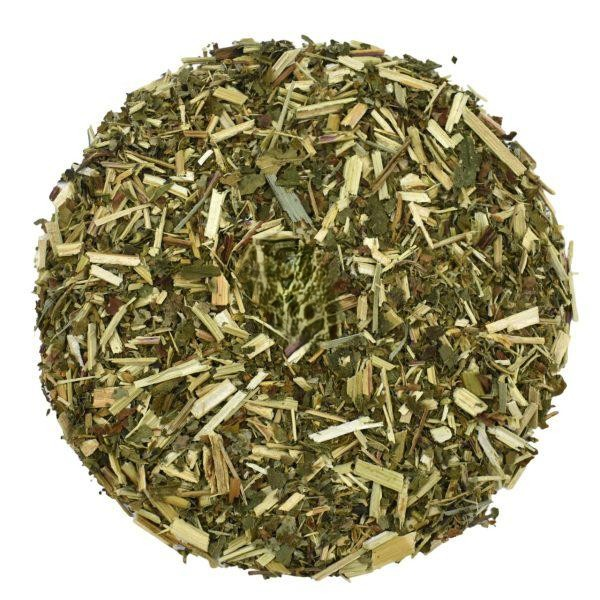
Latin Name: Filipendula Ulmaria
Origin Country: Hungary
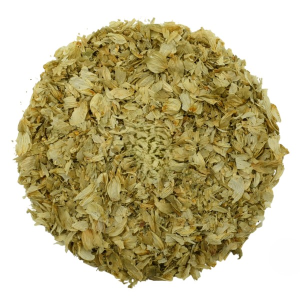
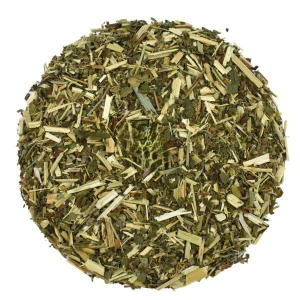
Filipendula Ulmaria (L.), commonly known as Meadowsweet, is a perennial herbaceous plant belonging to the Rosaceae (rose) family. Native to Europe and parts of Western Asia, this aromatic plant thrives in moist environments such as meadows, wetlands, and riverbanks. This dried Meadowsweet is carefully sourced from Hungary, where it grows naturally in nutrient-rich, temperate habitats.
Meadowsweet is characterized by its tall stems, deeply divided green leaves, and clusters of small creamy-white flowers that emit a pleasant, sweet floral fragrance. The plant has a naturally aromatic profile, and both leaves and flowers carry a mildly sweet, slightly bitter taste with subtle almond-like notes. Traditionally, it has been used in European herbal infusions for its pleasant flavor and long-standing role in traditional herbal practices.
Benefits
- Traditionally used to support healthy digestion and promote gastrointestinal comfort.
- Contains naturally occurring flavonoids that provide antioxidant activity and help protect cells from oxidative stress.
- Historically used to support respiratory comfort and help ease mild cold-related symptoms.
- Traditionally valued for its soothing properties on the digestive tract.
- Contains natural salicylate compounds associated with supporting joint comfort and inflammatory balance.
- Commonly used in herbal infusions for overall wellness and seasonal support.
- Traditionally included in European herbalism for its gentle tonic properties.
Hot Brewing Infused Herbal Tea
- Use approximately 1–2 teaspoons of dried Meadowsweet leaves and flowers per cup (250 ml) of water.
- Place in a teapot, mug, or infuser.
- Pour freshly boiled water over the herb.
- Cover and steep for 10–15 minutes.
- Strain before drinking.
- Traditionally consumed up to 2–3 cups daily depending on individual tolerance.
Side effects
- Meadowsweet is generally considered safe when consumed in moderate amounts.
- Some individuals may experience rare allergic reactions such as rash, itching, or respiratory sensitivity.
- In sensitive individuals, it may cause mild gastrointestinal discomfort such as nausea or bloating.
- Due to its salicylate content, individuals with aspirin sensitivity should avoid use unless advised by a healthcare professional.
- Pregnant and breastfeeding women should consult a qualified healthcare professional before use.
- Discontinue use if any adverse reactions occur.
Disclaimer: This information is provided for educational purposes only and is not intended to diagnose, treat, cure, or prevent any disease. Always consult a qualified healthcare professional before using herbal products, particularly if you are pregnant, nursing, taking medication, or have a medical condition.
Reviews
There are no reviews yet.