

Latin Name: Tilia Cordata
Origin Country: Hungary
Tilia cordata, commonly known as the linden or lime tree, is a species of deciduous tree native to Europe and parts of Asia. It belongs to the Tiliaceae family and is known for its heart-shaped leaves and fragrant yellowish-white flowers.
The leaves and flowers of the linden have been traditionally used for their medicinal properties revered in European herbalism for centuries as a calming tree of protection. The flowers and bark of the linden tree are particularly valued for their pleasant, mildly sweet taste when used as an herbal tea.
Benefits
- The herb is believed to have a mild diuretic effect, helping with fluid retention and promoting healthy urinary function.
- Linden is commonly used to reduce anxiety, stress, promote relaxation and quality sleep.
- Tilia Cordata is believed to help soothe the digestive system, relieving discomforts such as bloating.
- Linden have antioxidant compounds that can help protect cells from oxidative stress.
- It can help treat colds, coughs and soothe sore throats.
How it is used
Linden Tea
- Bring water to a boil and then let it cool slightly.
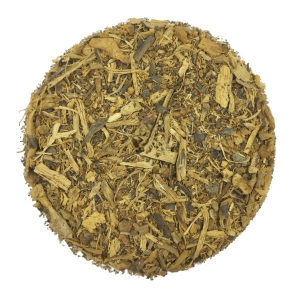
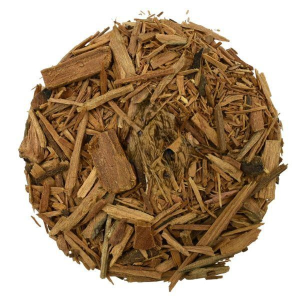
- Add the dried Linden bark to the water
- Let it steep for 10-15 minutes.
- Strain the tea to remove the bark and enjoy.
- You can add honey or lemon for flavor if desired.
- Drink 1-2 cups of Linden bark tea daily.
Side effects
- Linden may cause excessive drowsiness or sedation.
- Linden is generally considered safe for use in moderate doses.
- Some individuals may be allergic to linden and may face symptoms such as skin rashes, hives, or difficulty breathing.
- In rare cases, excessive consumption of linden may cause mild gastrointestinal upset, such as nausea or diarrhea.
- Before using Linden, during pregnancy or breastfeeding, it is recommended to consult a healthcare provider.
Disclaimer: This information is for educational purposes only and it is not intended to diagnose, cure or prevent any disease.



Reviews
There are no reviews yet.