
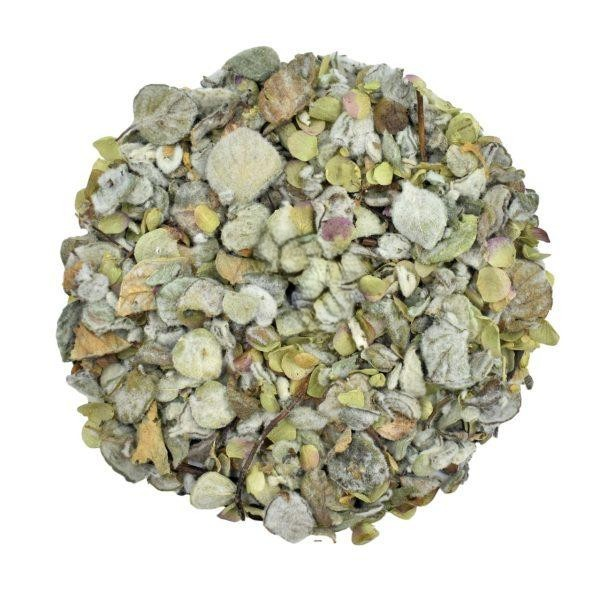
Latin Name: Origanum Dictamnus L.
Origin Country: Greece
Origanum dictamnus L., commonly known as Dittany of Crete (or “Diktamo”), is a rare perennial herb endemic to the mountainous regions and gorges of Crete, Greece. It belongs to the Lamiaceae family and is highly valued in traditional Mediterranean herbal practices for its aromatic and medicinal properties.
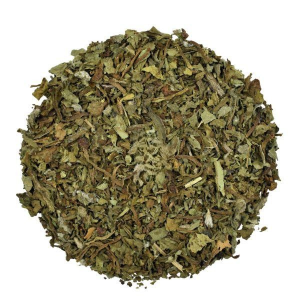
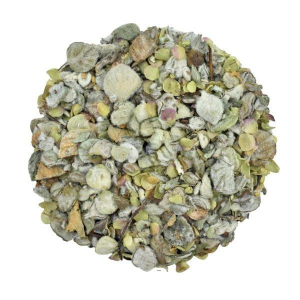
The plant is characterized by soft, woolly leaves with a grey-green hue and delicate pink-purple flowers. It grows naturally on rocky cliffs and steep slopes, which has historically made harvesting difficult and contributed to its reputation as a rare and precious herb. It has a strong aromatic profile with warm, slightly bitter and herbal notes.
Traditionally, Dittany has been used in herbal preparations and infusions, as well as in external applications such as poultices. It contains naturally occurring compounds such as carvacrol, contributing to its aromatic and functional properties.
Benefits
- Origanum dictamnus contains natural compounds with antibacterial, antifungal, and antimicrobial properties.
- It has traditionally been associated with digestive comfort, including relief from stomach cramps and mild gastrointestinal disturbances.
- Dittany is used in herbal traditions for its soothing properties on the respiratory and urinary systems.
- It contains antioxidant compounds that may help support overall cellular protection and general wellness.
- It is also historically associated with skin support when used externally as part of traditional poultices.
Hot Brewing Infused Herbal Tea
- Use 1–2 teaspoons of dried dittany per cup of hot water.
- Pour boiling water over the herb and cover.
- Let it steep for 10–15 minutes or longer for a stronger infusion.
- Strain before drinking.
- Sweeten with honey or add lemon if desired.
- Consume in moderation due to its potent aromatic profile.
Side effects
- Origanum dictamnus is generally considered safe when used in moderate amounts.
- Excessive consumption may be associated with photosensitivity reactions or skin sensitivity in rare cases.
- Some individuals may experience allergic reactions.
- Not recommended during pregnancy or breastfeeding due to limited safety data.
Disclaimer: This information is for educational purposes only and it is not intended to diagnose, cure or prevent any disease.
Reviews
There are no reviews yet.