
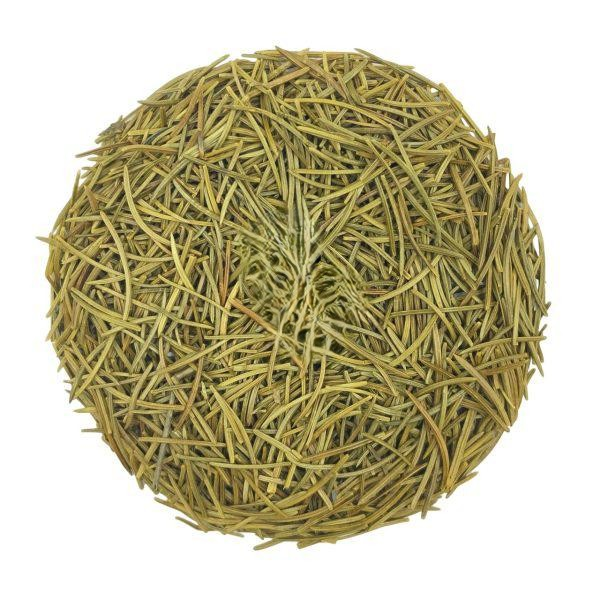
Latin Name: Pinus Pinea
Origin Country: Poland
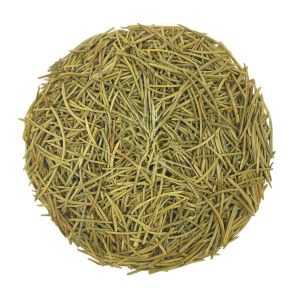
Pinus pinea, commonly known as the stone pine or umbrella pine, is an evergreen conifer native to the Mediterranean region and widely cultivated throughout Southern Europe. It belongs to the Pinaceae family and is valued for both its edible pine nuts and its aromatic needles. Pine needles have been traditionally used to prepare refreshing herbal infusions with a pleasant, resinous aroma and a mild, slightly citrusy flavour.
Pine needle tea has a long history of traditional use as a seasonal wellness beverage. Naturally rich in vitamin C, vitamin A, and antioxidant compounds, it has been consumed to support the immune system, respiratory health, and overall vitality. Its fresh woodland aroma also makes it a popular herbal infusion for promoting mental clarity and relaxation.
Benefits
- Pinus pinea needles are naturally rich in vitamin C, which helps support normal immune system function and contributes to the body’s natural defences.
- The needles contain vitamin A and antioxidant compounds that help protect cells from oxidative stress while supporting healthy skin and vision.
- Pine needle tea has traditionally been used to soothe sore throats, support respiratory comfort, and help relieve occasional chest congestion.
- The refreshing aroma and naturally occurring plant compounds may promote a sense of mental clarity and overall well-being.
- Its antioxidant content helps neutralise free radicals and contributes to general wellness.
Hot Brewing Infused Herbal Tea
- Use 1 to 2 teaspoons of dried pine needles per cup of boiling water.
- Pour the boiling water over the needles and allow them to steep for 3–5 minutes.
- Strain before drinking.
- You may add honey or lemon to enhance the flavour if desired.
- Enjoy 1–3 cups daily according to your personal preference and tolerance.
Side effects
- Pinus pinea is generally considered safe when consumed in moderate amounts.
- Individuals who are allergic to pine nuts or other tree nuts may also be sensitive to pine needles and should exercise caution.
- Some people may experience a temporary bitter or metallic aftertaste after consuming pine products.
- Rare allergic reactions such as skin irritation, itching, or digestive discomfort may occur in sensitive individuals.
- Pregnant or breastfeeding women should consult a healthcare provider before using pine needle tea.
Disclaimer: This information is for educational purposes only and it is not intended to diagnose, cure or prevent any disease.
Reviews
There are no reviews yet.