
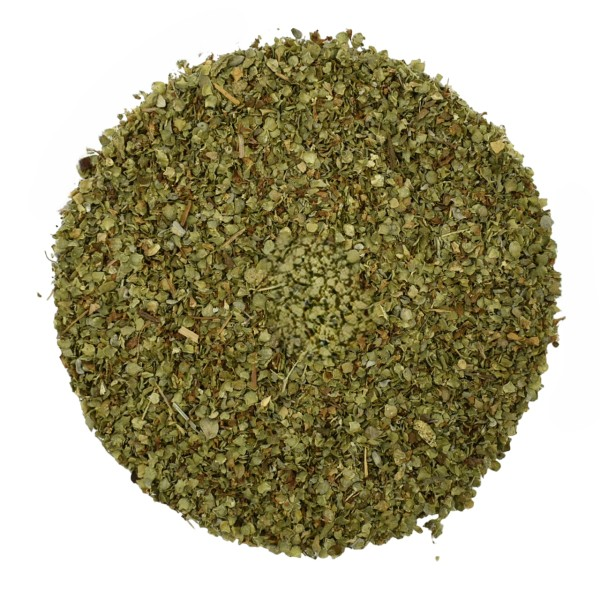
Latin Name: Origanum Majorana
Origin Country: Egypt
Origanum Majorana L., commonly known as Sweet Marjoram, is a perennial aromatic herb belonging to the Lamiaceae (mint) family. Native to the Mediterranean region, this fragrant herb is now widely cultivated in warm climates around the world. This dried Marjoram is carefully sourced from Egypt, where the plant is traditionally grown and harvested to preserve its natural aromatic and phytochemical qualities.
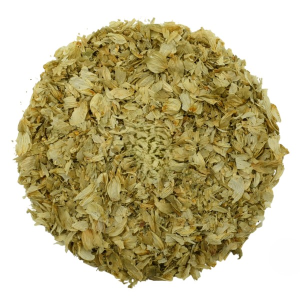
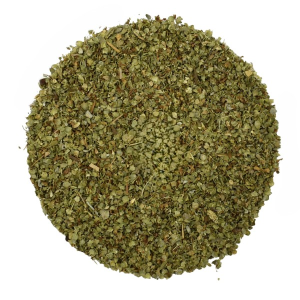
Marjoram is characterized by small, soft green leaves and a warm, sweet, slightly citrusy aroma with subtle pine-like undertones. It is closely related to oregano but has a milder and sweeter flavor profile. Traditionally used in culinary and herbal practices, marjoram has long been valued in Mediterranean herbalism for its aromatic, digestive, and calming properties.
Benefits
- Traditionally used to support healthy digestion and help reduce bloating and intestinal discomfort.
- Contains naturally occurring antimicrobial compounds that support general microbial balance.
- Historically used in herbal infusions to support respiratory and immune system wellness.
- Traditionally valued for its calming properties, supporting relaxation and emotional balance.
- Commonly used to support restful sleep and reduce occasional stress and nervous tension.
- Traditionally associated with supporting cardiovascular and circulatory health within herbal practices.
- Historically used in Mediterranean herbalism for overall metabolic and hormonal balance support.
Hot Brewing Infused Herbal Tea
- Use approximately 1–2 teaspoons of dried Marjoram per cup (250 ml) of water.
- Place in a teapot, mug, or herbal infuser.
- Pour freshly boiled water over the herb.
- Cover and steep for 10–15 minutes (or overnight for a stronger infusion).
- Strain before drinking.
- Traditionally consumed 1–3 cups daily, preferably in the evening for relaxation.
Culinary Uses
- Widely used in Mediterranean cuisine as a seasoning herb.
- Suitable for vegetables, tomato-based dishes, soups, stews, poultry, and legumes.
- Can be used fresh or dried to enhance flavor profiles.
External Use
- Traditionally used in bath preparations for relaxation and aromatic soothing.
- Can be included in herbal washes or compresses in traditional practices.
Side effects
- Marjoram is generally considered safe when consumed in moderate food or short-term herbal use.
- Some individuals may experience allergic reactions, especially if sensitive to other Lamiaceae family plants (e.g., oregano, basil, mint).
- Excessive or prolonged use is not recommended without professional supervision.
- May cause mild digestive discomfort in sensitive individuals.
- Pregnant and breastfeeding women should consult a qualified healthcare professional before use.
- Discontinue use if any adverse reactions occur.
Disclaimer: This information is provided for educational purposes only and is not intended to diagnose, treat, cure, or prevent any disease. Always consult a qualified healthcare professional before using herbal products, particularly if you are pregnant, nursing, taking medication, or have a medical condition.
Reviews
There are no reviews yet.