
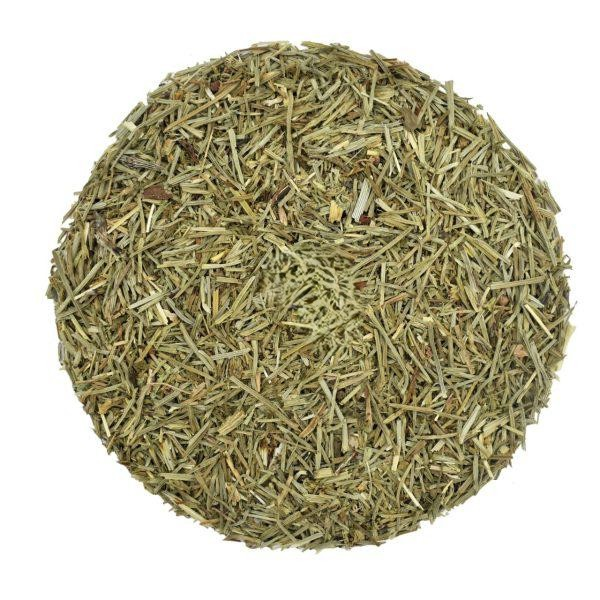
Latin Name: Equisetum Arvense L.
Origin Country: Albania
Equisetum Arvense L., commonly known as Horsetail or Field Horsetail, is a perennial non-flowering plant belonging to the Equisetaceae family. Native to Europe, Asia, and North America, this ancient plant is considered a “living fossil” due to its long evolutionary history. This dried Horsetail is carefully sourced from Albania, where it is traditionally harvested for herbal use.
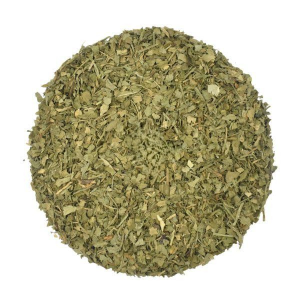
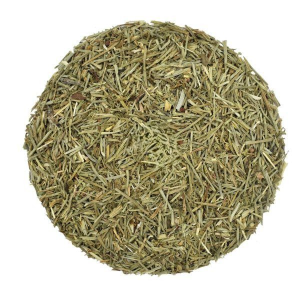
Horsetail is characterized by its slender, jointed green stems and brush-like appearance. It has a mild, grassy aroma with a slightly bitter and earthy taste. The plant is naturally rich in silica and other mineral compounds, which have made it historically valued in traditional herbal practices, particularly for supporting connective tissue, skin, and urinary wellness.
Benefits
- Traditionally used to support healthy urinary tract function and natural fluid elimination.
- Historically valued for its natural diuretic properties that help support fluid balance.
- Contains naturally occurring silica, traditionally associated with supporting connective tissue health.
- Traditionally used to support skin health, including the appearance of healthy skin, hair, and nails.
- Historically included in herbal practices aimed at supporting wound and skin comfort.
- Traditionally used to support respiratory comfort during seasonal conditions such as coughs and bronchial congestion.
- Commonly used in herbal wellness routines focused on cleansing and elimination pathways.
Hot Brewing Infused Herbal Tea
- Use approximately 1 tablespoon of dried Horsetail per cup (250 ml) of water.
- Place the herb in a teapot, mug, or heat-resistant infuser.
- Pour freshly boiled water over the herb.
- Cover and allow to steep for 10–15 minutes, or overnight for a stronger infusion.
- Strain before drinking.
- Traditionally consumed up to 1–2 cups daily, or as directed by a qualified healthcare professional.
Side effects
- Horsetail is generally not recommended for long-term continuous use.
- Contains thiaminase, which may reduce vitamin B1 (thiamine) levels with prolonged or excessive use.
- Long-term use may increase the risk of nutritional imbalance if not properly managed.
- Individuals with kidney conditions should consult a healthcare professional before use due to its diuretic properties.
- Pregnant and breastfeeding women should avoid use unless advised by a qualified healthcare provider.
- Discontinue use if any adverse reactions occur.
Disclaimer: This information is provided for educational purposes only and is not intended to diagnose, treat, cure, or prevent any disease. Always consult a qualified healthcare professional before using herbal products, particularly if you are pregnant, nursing, taking medication, or have a medical condition.
Reviews
There are no reviews yet.