
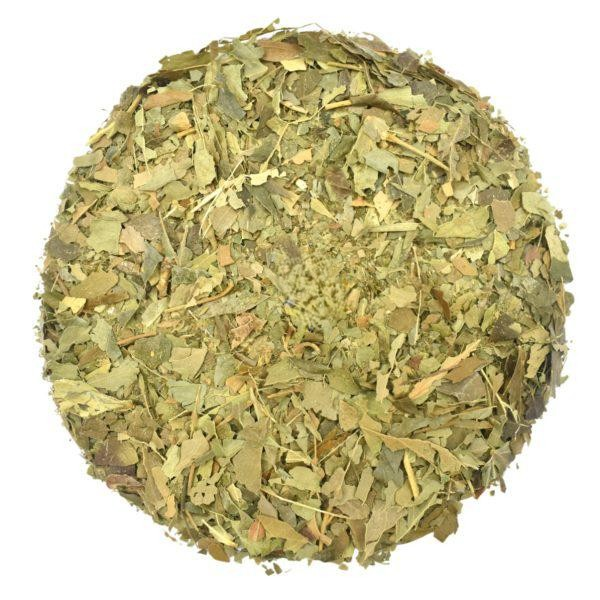
Latin Name : Hedera Helix L.
Origin Country: Albania
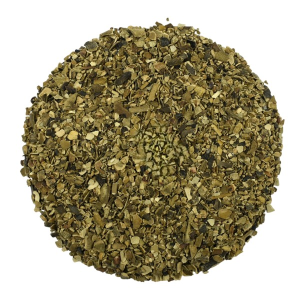
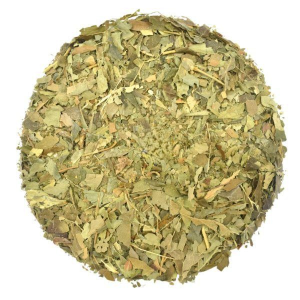
Hedera helix, commonly known as English ivy, is an evergreen climbing plant native to Europe and Western Asia, belonging to the Araliaceae family.
English ivy is a versatile plant with various uses, both ornamental and practical. It typically does not have a strong or distinctive smell. The plant’s leaves and stems are generally odorless
Benefits
- English ivy is known for its air-purifying qualities.
- It might help thin mucus in the airways. This might help people with breathing difficulty.
- People apply English ivy to the skin for burns, calluses, skin infection.
How it is used
- English ivy leaves can be prepared as a poultice or infused into oils for external application.
- They are commonly used for decorative purposes in floral arrangements and wreaths.
- other crafts due to their glossy green appearance and flexibility.
English Ivy Detergent Recipe (Using Dried Leaves)
Ingredients:
- 20–25 grams of dried English ivy leaves crushed
- 1 liter of water
Instructions:
- Preparation: Finely crumble the dried ivy leaves. This helps release the saponins more effectively.
- Boiling: Place the crushed leaves into a pot with 1 liter of water. Bring to a boil and let it simmer for 25–30 minutes.
- Steeping: Turn off the heat, cover with a lid, and let it sit overnight to fully extract the cleansing properties.
- Filtering: Strain the liquid through a fine mesh strainer or a cloth, squeezing the leaves thoroughly to get every drop.
- Storage: Pour the liquid into a clean bottle. Keep it in a cool place for up to 2–3 weeks, or in the fridge for up to 1 month.
- It is a gentle detergent, ideal for dark and delicate clothes.
- For white laundry, you can add a tablespoon of sodium percarbonate to the washing machine dispenser.
- You can also use it as an all-purpose degreaser for the house by pouring it into a spray bottle.
Side effects
-
- Hedera helix is considered toxic if consumed in large quantities.
- It contains saponins and polyacetylene compounds that can cause symptoms such as nausea, vomiting or diarrhea.
- Contact with English ivy can cause skin irritation in sensitive individuals
- Ingesting English ivy leaves can lead to gastrointestinal upset.
Disclaimer: This information is for educational purposes only and it is not intended to diagnose, cure or prevent any disease.
Reviews
There are no reviews yet.