
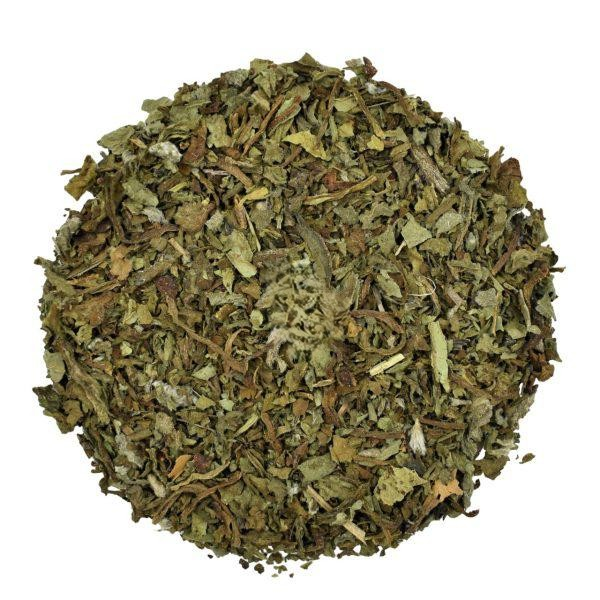
Latin Name: Borago Officinalis L.
Origin Country: Poland
Borago officinalis L., commonly known as borage, is an annual herb native to the Mediterranean region and belongs to the Boraginaceae family. It is widely cultivated in Europe, North America, and other temperate climates. Borage is easily recognizable by its star-shaped, vibrant blue flowers and hairy stems and leaves.
The plant can grow up to 60–100 cm tall and has a sprawling habit. Both the leaves and flowers are edible, with the leaves having a mild cucumber-like flavor, while the flowers are slightly sweet and often used decoratively in salads and drinks. Borage is commonly grown in gardens as a companion plant because it attracts pollinators like bees.
Benefits
- Borage oil may help improve mood and reduce stress.
- Borage oil is often used topically to moisturize dry or irritated skin and may help alleviate symptoms of conditions like eczema and dermatitis.
- Borage contains anti-inflammatory properties, which may help reduce inflammation in the body and alleviate symptoms associated like rheumatoid arthritis and inflammatory skin conditions.
Hot Brewing Infused Borage Tea
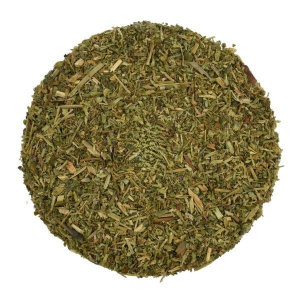
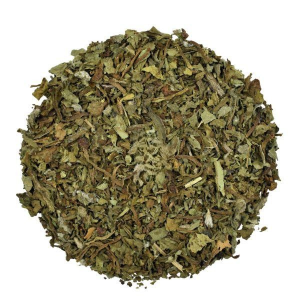
- Preparing for an infusion, steep 1-2 teaspoons of dried borage leaves in hot water for about 5-10 minutes.
- Strain the leaves and enjoy the tea plain or with honey for sweetness.
Culinary use
- Borage leaves can be added to salads or used as a garnish for soups, sandwiches and other dishes.
- They can also be sweetened or frozen into ice cubes for a decorative touch to drinks.
Side effects
- Use only under expert guidance.
- Allergic reactions to borage may include skin rashes, itching, swelling, or difficulty breathing.
- Borage contains pyrrolizidine alkaloids (PAs), which can be toxic to the liver when consumed in large quantities or over an extended period.
- Due to the potential risk of liver toxicity, pregnant and breastfeeding women are advised to avoid using borage supplements or consuming large amounts of borage in food.
Disclaimer: This information is for educational purposes only and it is not intended to diagnose, cure or prevent any disease.
Reviews
There are no reviews yet.