

Latin Name: Rosa Canina L.
Origin Country: Bulgaria
Rosa Canina, commonly known as rosehip or dog rose, is a wild species of rose belonging to the Rosaceae family. Native to Europe, northwest Africa, and western Asia, this deciduous shrub is recognized for its delicate flowers, thorny stems, and the small round fruits known as rose hips that develop beneath the petals after flowering.
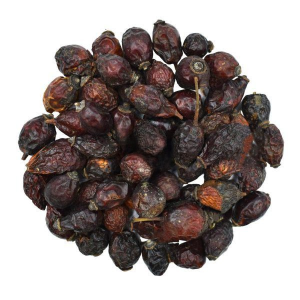
Rose hips have been traditionally valued as a botanical ingredient due to their naturally rich nutritional profile and long history of use in herbal preparations. These vibrant red-orange fruits contain naturally occurring vitamins, minerals, antioxidants, and plant compounds. Rose hips are widely appreciated in herbal teas, culinary preparations, beauty formulations, and natural wellness products.
Ingredients: 100% Dried Rose Hips (Rosa canina)
Benefits
- Rose hips are naturally rich in vitamin C, vitamin E, vitamin K, carotenoids, flavonoids, and other antioxidant compounds that help protect cells from oxidative stress.
- Rosa Canina contains naturally occurring plant compounds traditionally used to support normal immune system function and the body’s natural immune system.
- Rose hips provide naturally occurring fiber and botanical compounds that contribute to digestive wellness and regular bowel function.
- Rose hips contain minerals and nutrients including calcium, iron, phosphorus, and plant-based antioxidants that contribute to their nutritional value.
- The traditional use of rose hips includes supporting general wellbeing, particularly during seasonal changes and as part of herbal wellness routines.
- Rose hips are valued in traditional herbalism for their refreshing properties and their use in botanical preparations for the respiratory and urinary systems.
How it is used
Rosehip Herbal Tea / Infusion
- Add 1–2 teaspoons of dried rose hips to a tea infuser, teapot, or mug for each cup of tea.
- Pour boiling water over the herbs and cover the container.
- Allow to steep for 10–15 minutes or leave overnight for a stronger infusion.
- Strain before serving and enjoy warm.
- Add honey, milk, or a lemon wedge for additional flavour if desired.
- Drink 1–3 cups per day as part of a balanced herbal tea routine.
Culinary Use
- Rose hips can be used to prepare traditional jellies, sauces, soups, syrups, and seasoning blends.
- The dried fruit can be ground into a powder and incorporated into smoothies, herbal blends, or nutritional preparations.
- Rose hips pair well with hibiscus, berries, citrus fruits, and other botanical ingredients.
Side effects
- Rose hip is generally considered safe when consumed in moderate amounts and for short periods.
- Some individuals may experience digestive discomfort, including nausea, vomiting, diarrhea, constipation, heartburn, or stomach cramps.
- Rarely, some people may experience fatigue, headache, or sleep disturbances.
- Inhaling rose hip powder or dust may cause allergic reactions in sensitive individuals.
- Pregnant and breastfeeding women, or individuals taking medications or with existing health conditions, should consult a healthcare provider before using rose hip products.
Disclaimer: This information is for educational purposes only and it is not intended to diagnose, treat, cure, or prevent any disease.


Reviews
There are no reviews yet.